The right detection mix depends on the fence, the terrain and the threat. These are the configurations we deliver most often — each engineered from reference installations, not from a catalog page.
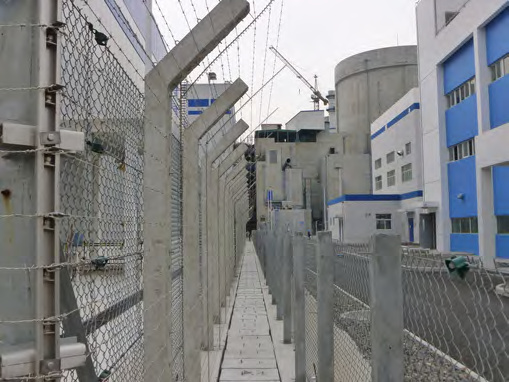
Tension detection on the fence line plus vibration cable on walls and gates. Reference base: 12 nuclear power plants and dozens of grid substations across China.
Request a layout →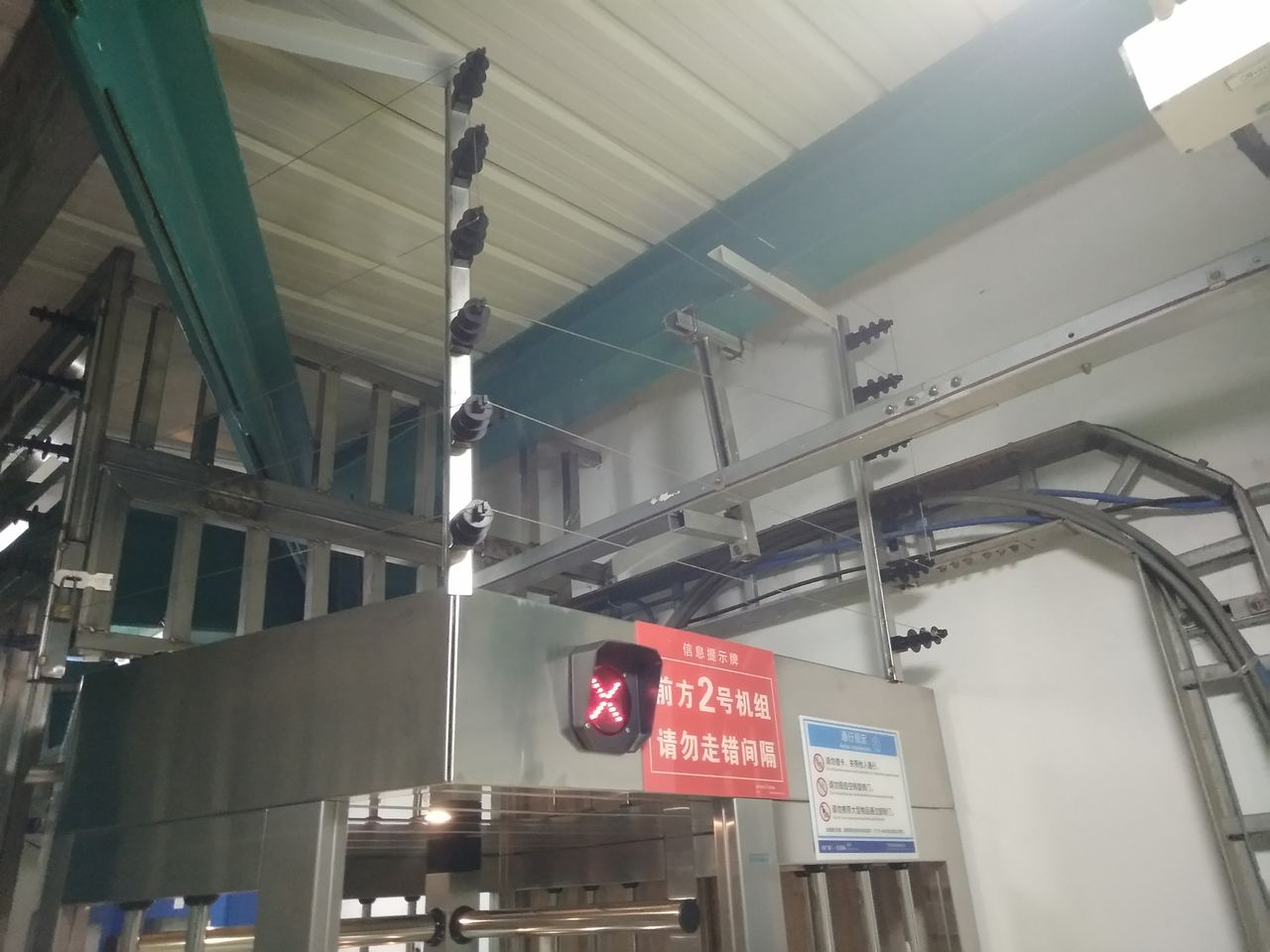
Long fence runs demand low nuisance alarms — MAX1000's 1-event-per-km-per-3-months rate keeps security teams focused on real events. Metro and depot references included.
Request a layout →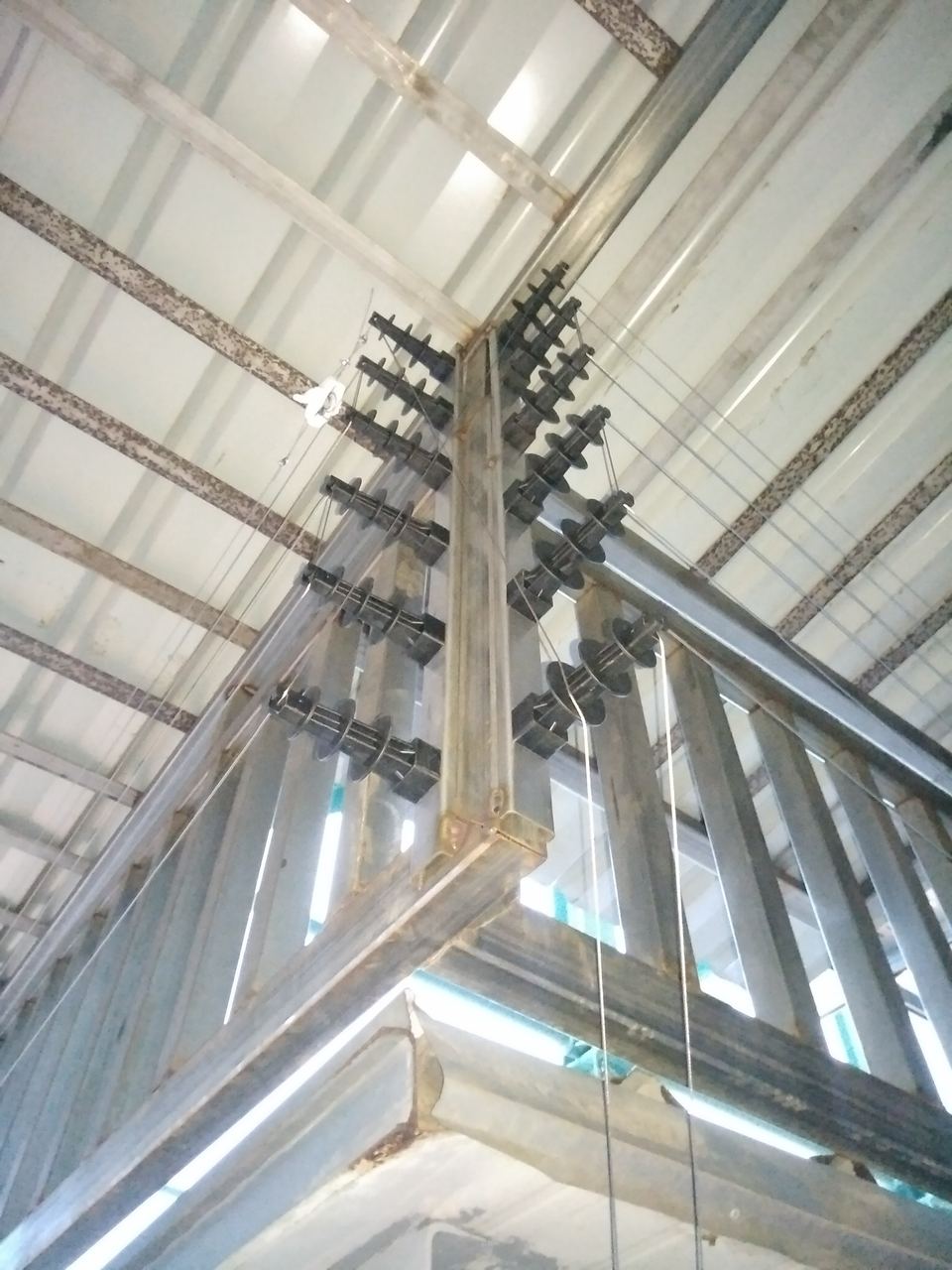
Multi-kilometer perimeters with no guard force. VCS-600 covers 600 m per processor with independent software-defined segments that keep nuisance alarms down across long, unguarded fence lines.
Request a layout →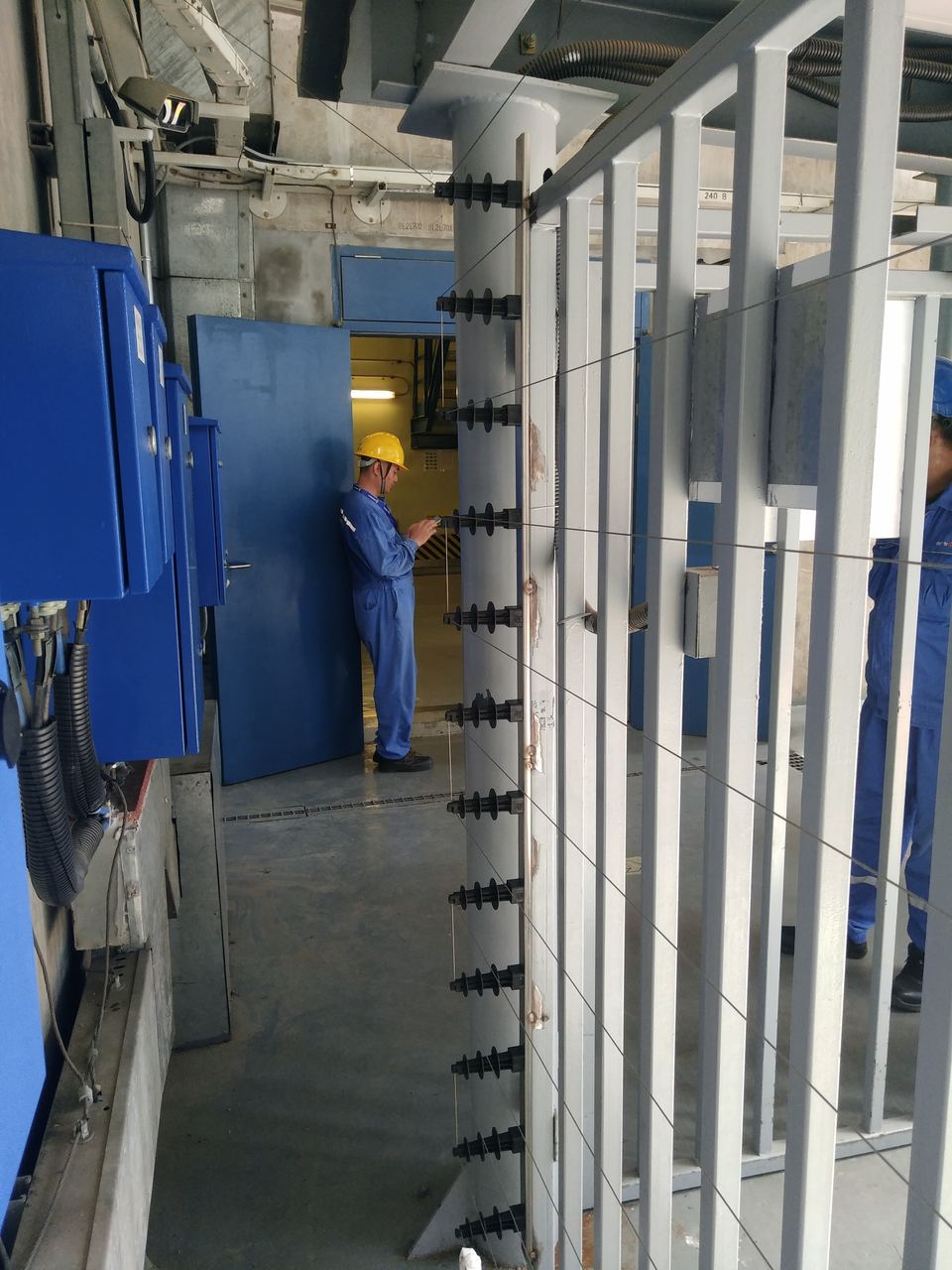
Explosion-area compatible passive sensing, -40 °C rating for northern sites, and corrosion-proof stainless sensing wires for coastal and chemical environments.
Request a layout →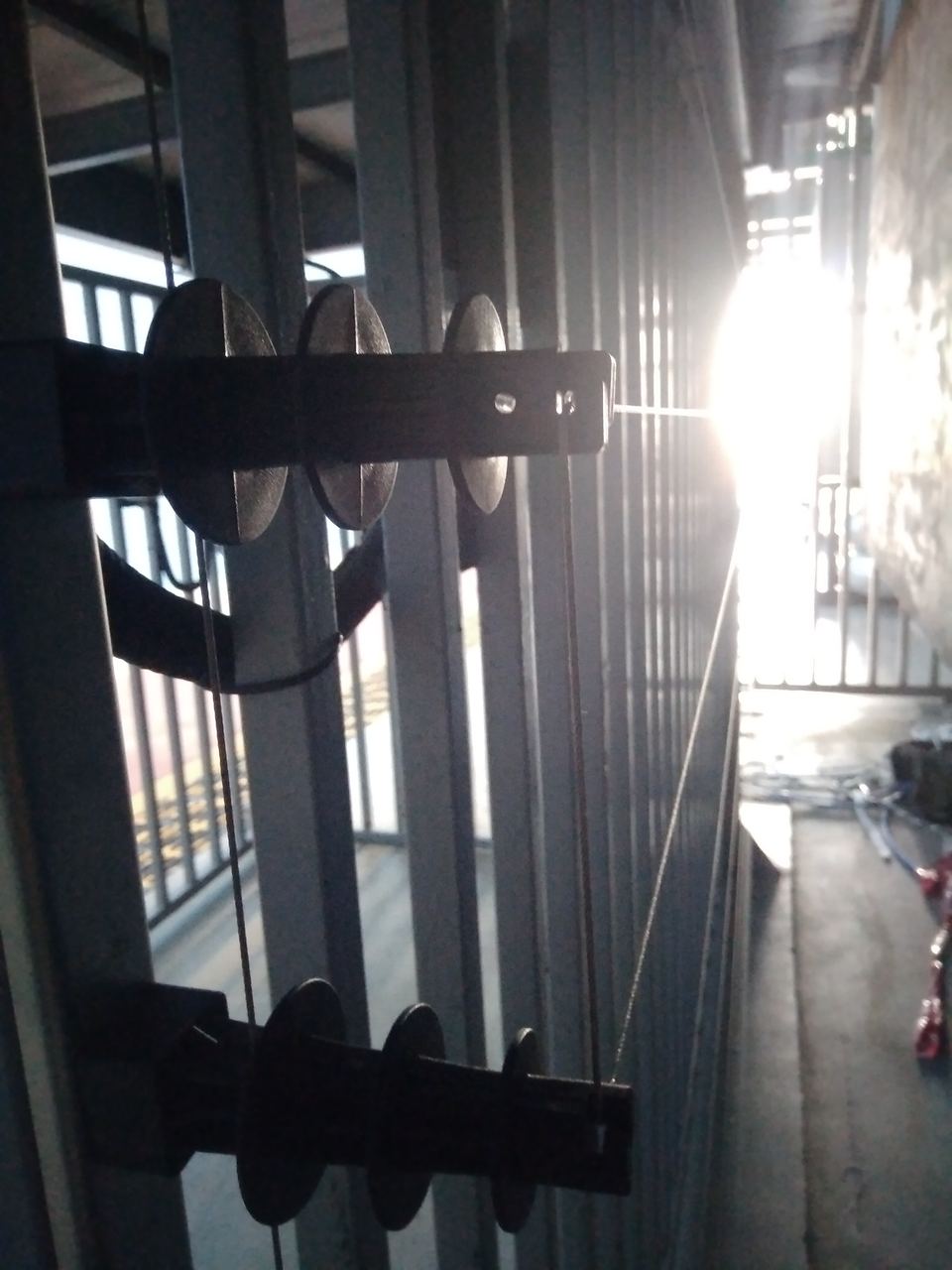
CTS-300 on wall tops and gate lines: invisible from a distance, unaffected by nearby RF equipment, and fully integrable with existing CCTV / alarm platforms.
Request a layout →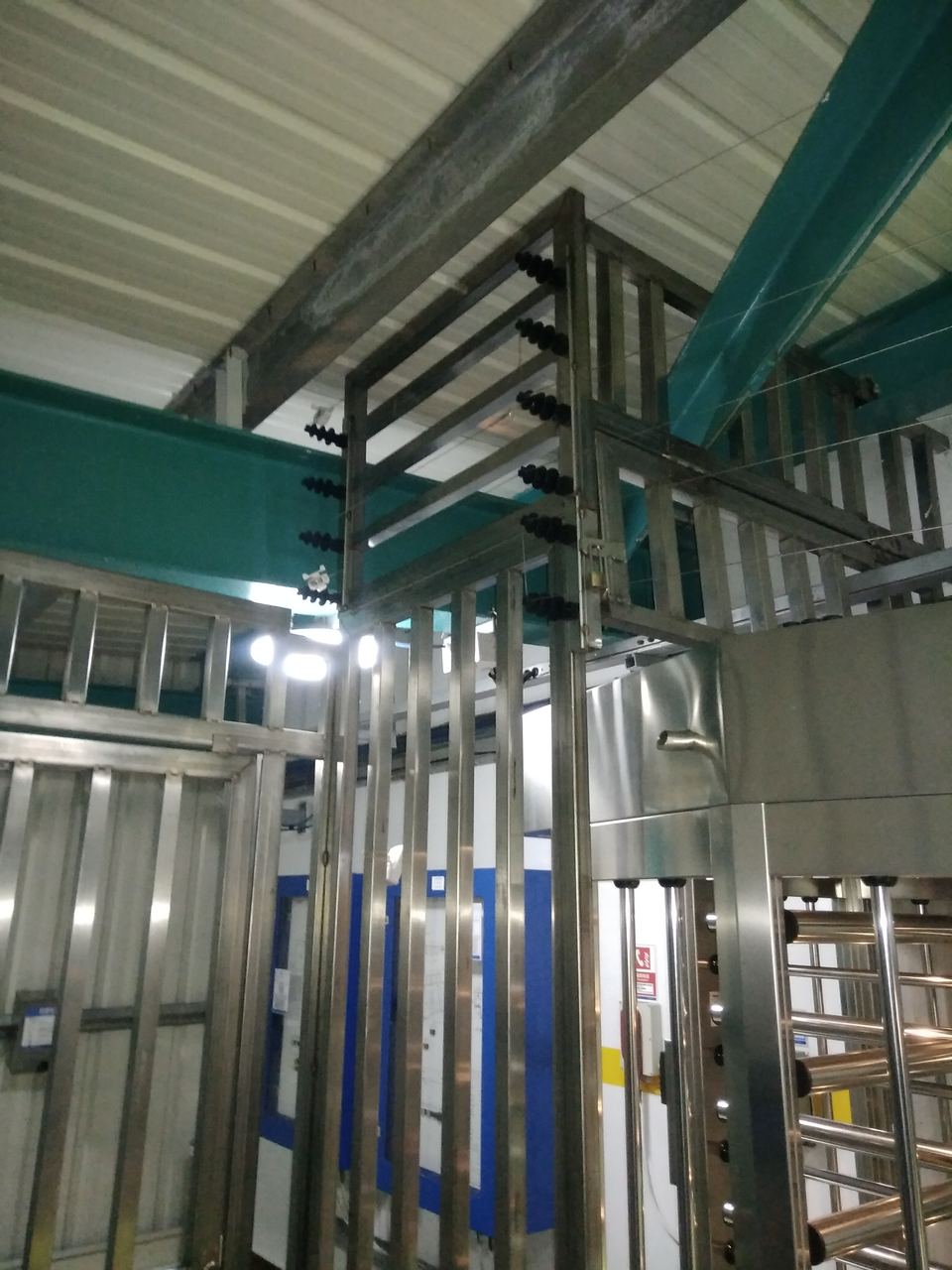
Multi-layer detection with climb discrimination (MAX1000's 6 alarm groups) and tamper-proof cabling supervision — the architecture used at prisons and heritage sites.
Request a layout →Send fence drawings and site photos. We return a detection zoning plan with sensor counts and cable routes within 48 hours.
Bill of quantities with part numbers, cable schedules and options — formatted for your tender or budget submission.
Dry-contact, RS-422 or TCP/IP interfaces mapped to your alarm platform, VMS or PSIM, with point lists.
Remote configuration guidance and acceptance test procedures; on-site support through partners where available.
Fence type, length, terrain and threat level — that's all we need to start.